
Tobacco-Free Leaders: Empowering Youth Across Southeast Arizona
As SEAHEC completes the first year of its Tobacco-Free Leaders (TFL) initiative, we celebrate a year filled with youth engagement, creativity, partnership, and new approaches to tobacco and vaping prevention across Santa Cruz, Cochise, and Graham counties.
Throughout the year, SEAHEC worked to make prevention education more than simply sharing information. Our goal was to create opportunities for young people to participate, lead, create, and use their voices to promote healthier communities.
During summer 2026, TFL programming expanded through partnerships with local Boys & Girls Clubs and youth-serving organizations. In Nogales, Douglas, and Safford, youth participated in activities focused on tobacco and vaping prevention, mental health, healthy decision-making, and leadership. In Douglas, youth also became involved in the STAND Coalition, creating another opportunity for young people to take an active role in prevention efforts in their community.
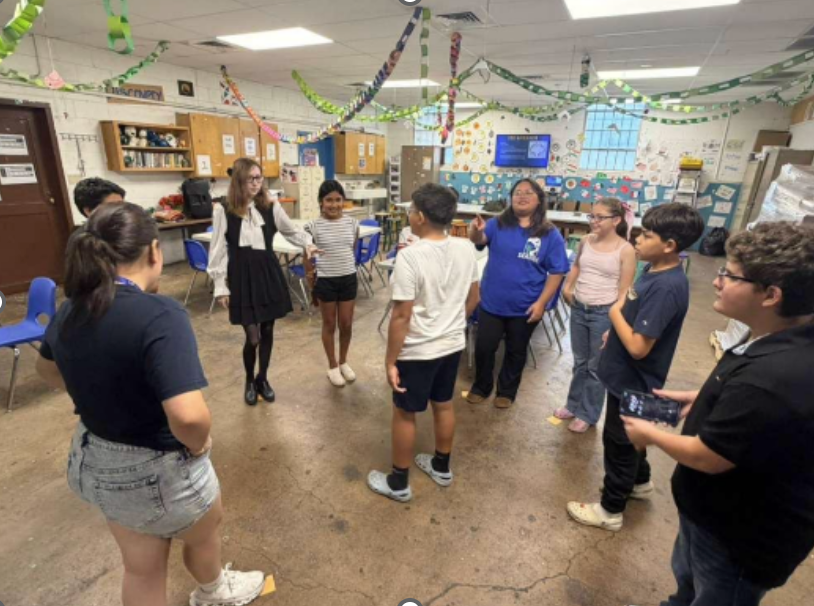
One of the highlights of the summer was “Escape the Vape,” an interactive escape-room-style activity developed to make tobacco and vaping education engaging and memorable. Youth worked together through challenges involving tobacco marketing tactics, peer pressure, the effects of nicotine on the brain, and other prevention topics. Instead of sitting through a traditional presentation, participants learned by solving problems, communicating with one another, and working as a team.
Another important milestone was SEAHEC's use of Digital Storytelling as a youth engagement and health education strategy. In July, SEAHEC facilitated Digital Storytelling activities with approximately 30 youth from the Summer Youth Institute and nine students from Pima JTED (Joint Technical Education District), which provides career and technical education to high school students, participated in activities that combined personal experiences, creativity, and technology to communicate health messages about tobacco and vaping prevention, mental health, and nutrition. Participants learned how personal experiences, creativity, and technology can be combined to communicate meaningful health messages about topics such as tobacco and vaping prevention, mental health, and nutrition.

JTED students also played an important role in summer programming by supporting activities and serving as co-facilitators, demonstrating how youth can move beyond being participants and become leaders and health messengers themselves.
These experiences reflect one of the most important lessons from TFL's first year: young people can be powerful partners in prevention when they are given the opportunity to create, lead, and be heard.
As SEAHEC moves into Year Two of Tobacco-Free Leaders, we look forward to building on these partnerships, expanding youth leadership opportunities, and continuing to develop creative approaches that make prevention education meaningful and relevant to the communities we serve.
Together, we are helping the next generation become informed, confident, and empowered Tobacco-Free Leaders.


Comments